Jean Trimbach, originally from Sainte-Marie-aux-Mines in the Vosges, settled in Riquewihr in 1626 and began growing vines — the first generation of what is now thirteen generations of Trimbach winemaking in Alsace. The family moved its operations to Hunawihr in the 1840s, drawn by the limestone-rich slopes that produce the Riesling for which the house would become known. After the destruction of the First World War the estate relocated again to Ribeauvillé, where it has remained since.
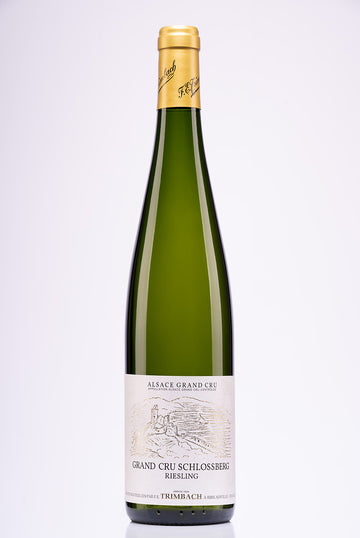
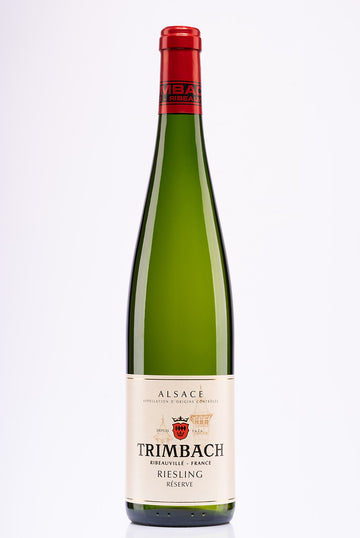
Trimbach's estate vineyards cover roughly 50 hectares across Alsace's premier sites, with the spine of the production built on Riesling. The reference wines are the Cuvée Frédéric Émile (a single-vineyard Riesling from Grand Cru Geisberg and Osterberg sites in Ribeauvillé, named for the family's nineteenth-century viticultural innovator) and Clos Sainte Hune, a four-acre old-vine monopole within Grand Cru Rosacker in Hunawihr that produces what is widely cited as one of the world's defining dry Rieslings. The house's signature is unrelenting dryness — Trimbach Rieslings are pithier, more austere and longer-cellaring than the off-dry style of many Alsace neighbours.
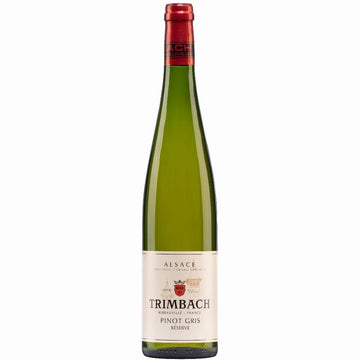
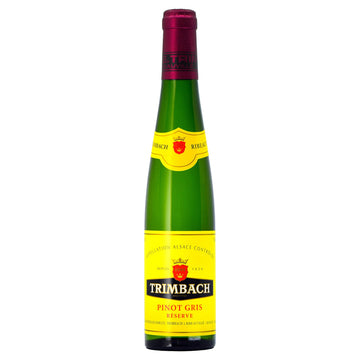
Beyond Riesling, Trimbach produces the full Alsace varietal set: Pinot Blanc, Pinot Gris (including Reserve and Vendange Tardive expressions), Gewurztraminer (also Vendange Tardive and Sélection de Grains Nobles), and Pinot Noir. Pierre Trimbach (who passed away in late 2024) was the senior winemaking voice for decades alongside his cousin Jean Trimbach. The thirteenth-generation cohort — Pierre's daughters Anne and Frédérique, and Jean's children Julien and Pauline — now lead the export, vineyard management and sales operations.