
Exploring pisco in Australia is both an adventure in taste and a journey through centuries of South American craftsmanship. At Caravan Wines & Spirits, we’re captivated by the vibrancy and history behind both Peruvian and Chilean pisco. If you’ve ever wondered which type is best for your bar—or what makes each style distinct—you’re in the right place. Let’s break down the differences, best uses in cocktails, and exactly how to buy pisco in Australia with confidence and curiosity.
What Is Pisco? Why Peruvian and Chilean Versions Divide Opinion
Pisco is South America’s emblematic grape-based spirit, holding deep cultural roots as both Peru and Chile claim it as their national spirit. The origin stretches back to Spanish colonial days, with both countries developing parallel traditions that have grown apart dramatically over time.
- Peruvian pisco demands strict production: grapes must come from specific valleys, only approved varietals are used, and by law, the raw spirit is never aged in wood—resulting in a sparkling pure, expressive drink that’s all about the grape.
- Chilean pisco permits more grape varieties, sometimes includes brief neutral wood aging, and allows blending—often achieving a silkier, softer flavor profile.
This distinction fuels friendly rivalry, but for us at Caravan, it’s about celebrating the unique expressions and traditions each country brings, not declaring one as better. Both bring so much to an Australian drinking culture eager for fresh, global influences.
Peruvian Pisco: Purity, Power, and Authentic Flavour
We’re deliberate about curating Peruvian pisco with an eye for character and authenticity. True to tradition, these versions:
- Are distilled to proof from 8 specific grape varietals (the most common is Quebranta).
- Never see wood—aging happens in glass or inert containers, preserving bright, raw grape aromatics.
- Range in ABV from 38-48%, with nuance depending on the grape.
Peruvian pisco is a bartender’s secret weapon: its clean, powerful character means it cuts beautifully through citrus and bitters for cocktails like the Pisco Sour. You’ll often find profiles like fresh lime, green apple, light florals, or deeper orchard fruit.
- Quebranta: Earthy, robust, and non-aromatic—fantastic for classic cocktails.
- Italia & Torontel: Express more floral and aromatic profiles, perfect for adventurous sippers.

At Caravan, we proudly offer options like Santiago Quebranta Pisco—textbook Peruvian purity and a seamless addition to your home bar.
Chilean Pisco: Softness, Versatility, and a Gentle Style
Chilean pisco approaches the category with flexibility:
- Permitting up to 13 grape varieties, especially Muscat-family types—which brings a floral lift.
- Allows single or continuous distillation methods, with optional brief wood aging for roundness.
- Delivers a spirit that’s sometimes softer, with subtle vanilla or herbal notes and a slightly lower ABV range.
What does this mean in practice? Chilean pisco is approachable for neat sipping or light, longer drinks and punches rather than for sharp, citrus cocktails.
Comparison Table: Peruvian vs Chilean Pisco
| Aspect | Peruvian Pisco | Chilean Pisco |
|---|---|---|
| Grape Varieties | 8 officially approved (e.g., Quebranta, Italia) | Up to 13, including many Muscat |
| Distillation | Single distillation, pot still, never diluted | Single or continuous distillation; sometimes diluted |
| Aging | None, always glass/stainless | Optional, neutral wood up to 4 months |
| ABV Range | 38-48% | 30-43% |
| Best For | Bold cocktails, Pisco Sour | Sipping, light spritzes, punches |
What to Make With Each: Classic and Adventurous Pisco Cocktails
Both Peruvian and Chilean piscos offer distinct cocktail experiences. Here’s how we like to put each to use—tried, tested, and easy to recreate at home.
Peruvian Pisco (Try Quebranta or a Premium Blend)
-
Pisco Sour (the Peruvian classic):
- 60ml Peruvian pisco (Quebranta or blend)
- 30ml fresh lime juice
- 20ml simple syrup
- 1 egg white
- 2 dashes Angostura bitters
Dry shake (no ice), then add ice and shake hard again. Strain into a chilled glass and garnish with bitters for signature foam.
-
La Diablada:
- 50ml Peruvian pisco (blend like Macchu Pisco 'La Diablada')
- 25ml passionfruit juice
- 15ml fresh lime
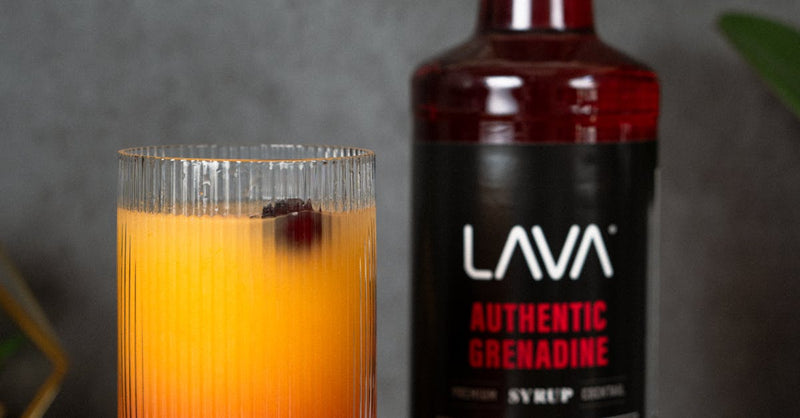
- 10ml grenadine
Shake with ice, strain over crushed ice. A vibrant fruit-forward serve.


Chilean Pisco (Softer, Versatile Sipping)
-
Pisco Punch:
- 45ml Chilean pisco
- 20ml pineapple juice
- 15ml lemon juice
- 10ml orgeat syrup
Shake, strain into rocks glass, garnish with pineapple wedge.
-
Pisco Colada:
- 60ml Chilean pisco
- 40ml coconut cream
- 30ml pineapple juice
Blend with ice for a refreshing tropical drink.
-
Neat or On the Rocks:
Sip Chilean pisco as a mellow after-dinner pour—some appreciate the slight vanilla character from minimal wood aging.
Looking for more after-dinner inspiration? We have a guide to cozy dessert drinks and liqueur-based sippers that pair beautifully with the softer style of Chilean pisco.
Where to Buy Pisco in Australia—And What to Look For
Buying premium pisco in Australia is easier than ever, but it pays to be selective. Here are our personal tips for a smooth purchase:
- Check the label: Look for Peruvian imports with denomination of origin seals or distillery transparency—a mark of authenticity.
- Pico Quebranta vs blends: Quebranta is a reliable, terroir-driven choice for mixing. Blends like Macchu Pisco 'La Diablada' add complexity for sipping.
- Delivery timeframes: Caravan delivers across Australia, and typically you'll receive orders in 4–5 business days if you’re in Brisbane, Sydney, or Melbourne. We do not ship to PO boxes or parcel lockers, so be sure to provide a residential or business address.
- Reputable specialist retailers: Opt for sellers with genuine expertise and curation, who provide information on varietals and production—like us!
If you’re just starting your agave and South American spirits journey, we recommend our detailed explainer: Pisco vs Mezcal vs Cachaça: The Clear Buyer’s Guide for Australian Drinkers.
How to Choose: Quick Guide
- For classic cocktails or maximal grape purity: Select Peruvian pisco. Our Santiago Quebranta Pisco is ideal here.
- For sipping or gentler drinks: A Chilean style or Peruvian aromatic blend will work, but focus on brands where grape types are clearly listed and provenance is assured.
- Experiment with blends: Our Macchu Pisco 'La Diablada' offers a balance of floral top notes and structure, great for both cocktails and neat pours.
Storage, Serving, and Enjoyment Tips
- Store pisco upright, with the cap tightly sealed, in a cool, dark spot—sunlight and rapid temperature changes can diminish freshness.
- Open bottles are best enjoyed within a few months for maximum aroma, but unopened bottles will last for years.
- For tasting, use a tulip glass or sherry glass to concentrate those beautiful grape aromatics.
Your Pisco Journey Starts Here
Whether you’re building a cocktail program at home or searching for a unique addition to your spirits shelf, pisco offers bright flavors and a connection to centuries-old tradition. Our range at Caravan is sourced with genuine respect for each producer’s heritage. Begin with a bottle of Santiago Quebranta Pisco, experiment with Macchu Pisco 'La Diablada', or dive into a fresh cocktail creation—then discover why pisco is one of Australia’s fastest-growing craft spirits.
FAQs: Buying and Enjoying Pisco in Australia
- Q: Which is better, Peruvian or Chilean pisco?
- A: Each has its strengths—Peruvian for grape-forward, crisp cocktails, and Chilean for smooth sipping and long drinks. We love exploring both depending on mood and occasion.
- Q: Where can I buy real Peruvian pisco in Australia?
- A: Look for specialist retailers such as Caravan Wines & Spirits, which offer a curated selection sourced directly from leading Peruvian producers. Check for origin seals and clear varietal information.
- Q: What’s the best pisco for a Pisco Sour?
- A: A Peruvian Quebranta-based pisco, such as Santiago Quebranta, delivers the structure and fruit needed for a perfect, balanced classic.
- Q: Are there Australian-made piscos worth trying?
- A: There are a few local options, but for the full South American authenticity, imported Peruvian pisco is our top recommendation.
- Q: How do I store an open bottle of pisco?
- A: Keep it sealed, upright, out of direct sunlight. Opened bottles are best used within 1–2 months if you want to preserve maximum aromatic freshness.
- Q: Can I get pisco delivered in Sydney or Melbourne?
- A: Yes—Caravan Wines & Spirits offers delivery throughout Australia, with typical arrival within 4–5 business days to major metro areas.
Ready to start your journey? Explore our full wine and spirit selection and let us know how your next pisco cocktail turns out. Cheers from Caravan Wines & Spirits!