Careful bottle-safe packing on all orders. Shipping rates appear at checkout.
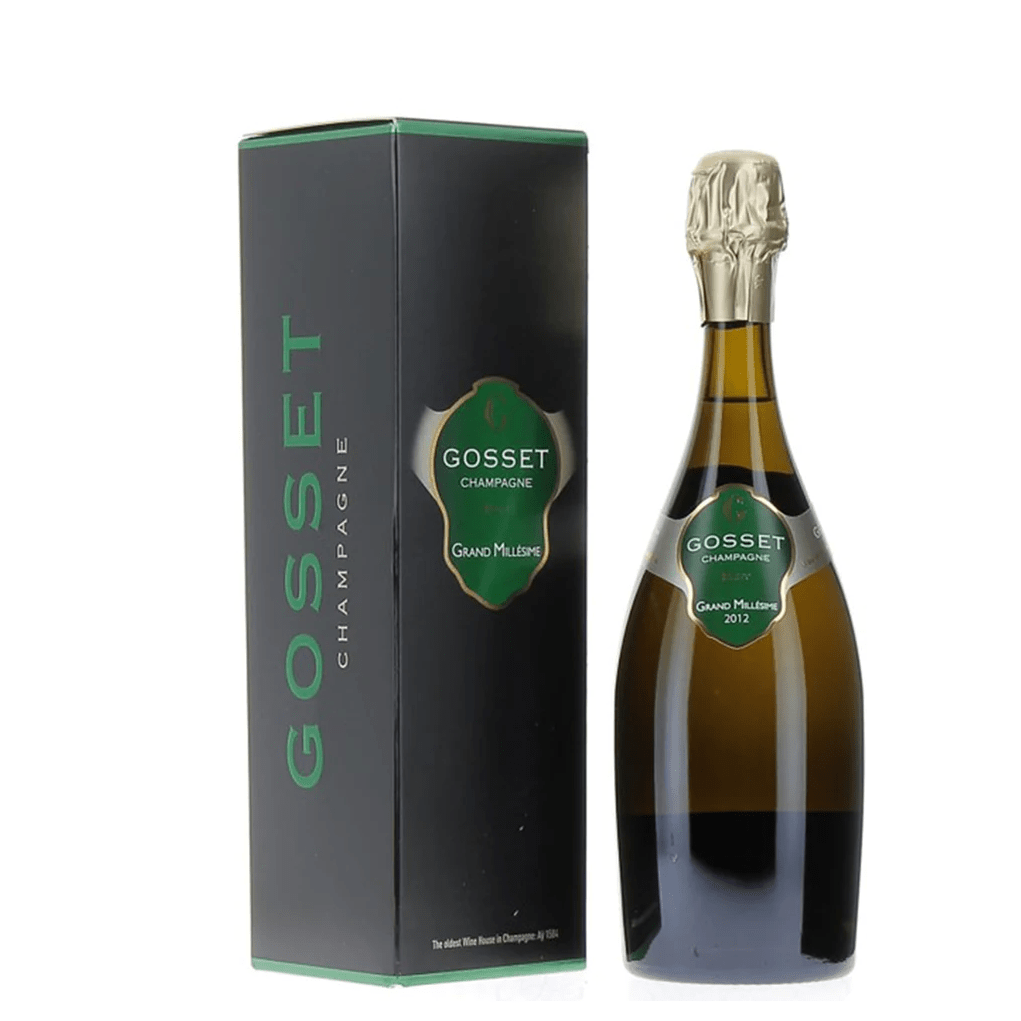
Gosset
Gosset Vintage 2015
Style
Wine France Champagne
Producer
Gosset
Origin
Champagne (Aÿ historically; Épernay since 2009)
Open this first
What it tastes like.
Composed of 33% Pinot Noir and 67% Chardonnay from Côte des Blancs, Villers-Marmery, Ambonnay and Cumières. Bottled with 8 gms/litre dosage.
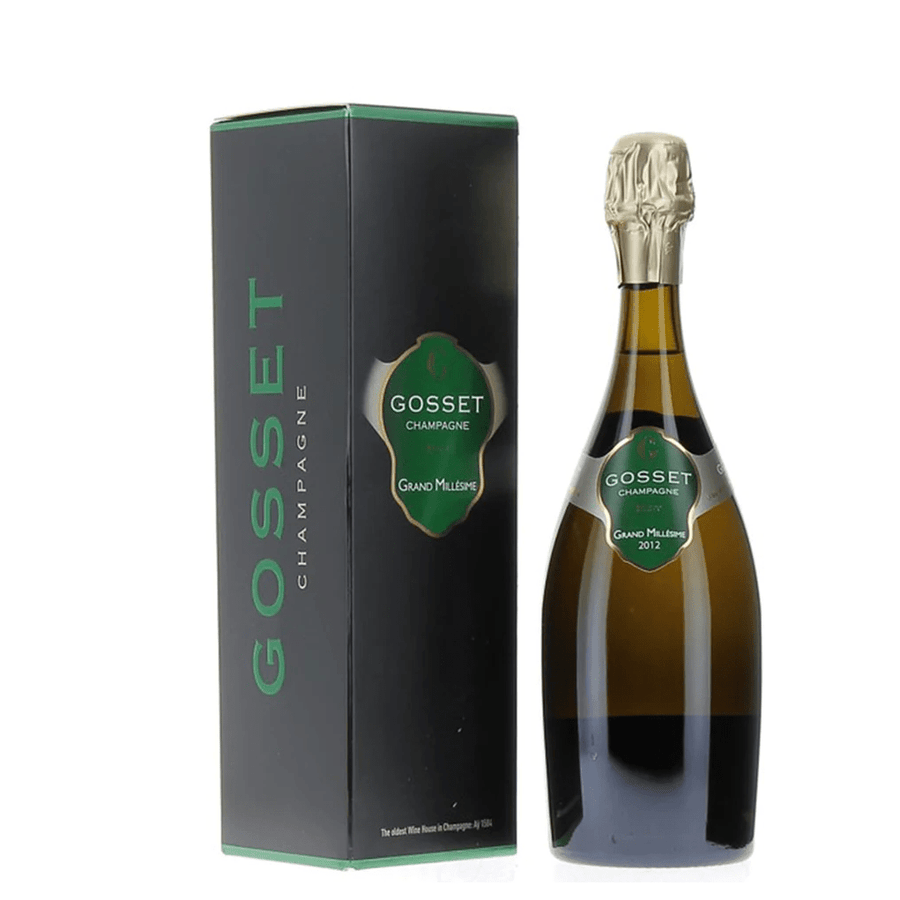
‘Since Gosset makes a point of commercializing wines only when they deem them ready, the 2012 Grand Millésime Brut will be released at the end of this year, while the 2010 and 2008 continue to wait in the wings. The wine is still quite tightly wound after its recent disgorgement, unfurling in the glass with a youthful bouquet of warm biscuits, apple, lemon and peach that picks up a more pronounced smoky top note as the wine sits in the glass. On the palate, it's medium to full-bodied, broad and powerful, with a deep and concentrated core, incisive acids and a precise, saline finish. This is a muscular vintage of the Grand Millésime that seems likely to evolve slowly. Drink 2020-2040.’ 94+ points, William Kelley, The Wine Advocate, May 2019.
The house
Gosset at a glance.
Place and craft
Where it is from.
OriginChampagne (Aÿ historically; Épernay since 2009)
ProducerGosset
StyleWine France Champagne
The useful bits
Specs and numbers.
Vintage2015
SKUVVGOSGRMILLESIME15
Delivery
How it gets to you.
Brisbane and nearby delivery options appear at checkout when available.
Quick answers
Before you checkout.
Can I mix this into a six-pack?
Yes. Any eligible mix of six bottles can count toward the mixed-six offer at cart level.
Is the bottle held for me after adding to cart?
Not permanently. Allocated bottles are safest once checkout is complete.
Can I ask for advice?
Yes. Use the contact details in the footer and the Caravan team can point you toward a good bottle.
About Gosset.
How to pour it.
-
Temperature
8°C · ice bucket 20 min before pouring
-
Glassware
White-wine glass or tulip flute (skip the narrow flute — it suppresses aroma).
From the same house.
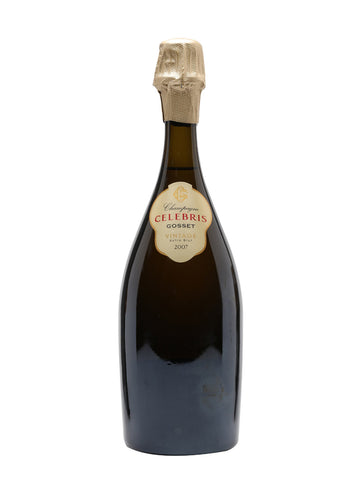
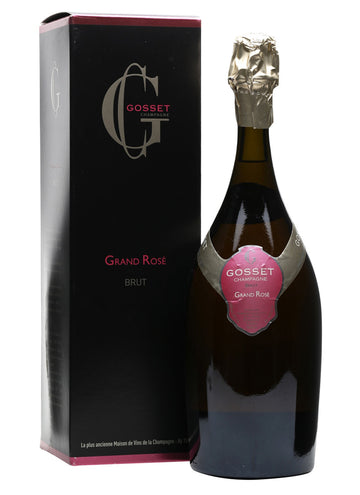
Tell me when the next vintage lands.
We'll email you when the next release of this wine arrives. Once, no marketing follow-up unless you ask.
Before you open it.
A few practical answers for storage, delivery, and choosing the right bottle.
How should I store it before opening?
Keep it somewhere cool, dark, and steady. Wine prefers cellar temperature; spirits are happier away from heat and direct sunlight.
How long will it keep once opened?
Wine changes quickly after opening; spirits and liqueurs generally hold longer if capped tightly and kept out of heat. If it is a special bottle, ask before opening and the team can give product-specific guidance.
Can I ask for a similar bottle?
Yes. Contact Caravan with this bottle name and the occasion; the team can suggest a close match, a safer gift, or a step up or down in price.
How is it packed for delivery?
Orders are packed in bottle-safe cartons. If anything arrives damaged or looks wrong, contact the team with your order number and a photo so they can sort the next step.
What about hot weather shipping?
The team avoids making one-size-fits-all promises around heat and carrier timing. For heat-sensitive or cellar bottles, contact Caravan before ordering and they can advise the safest dispatch window.
Producer visit
Why Caravan backs Gosset
Champagne (Aÿ historically; Épernay since 2009)
Shop this producer
Same house
Shop this producer
More from Gosset.
 Wine France Champagne
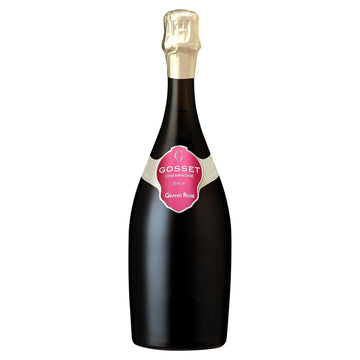
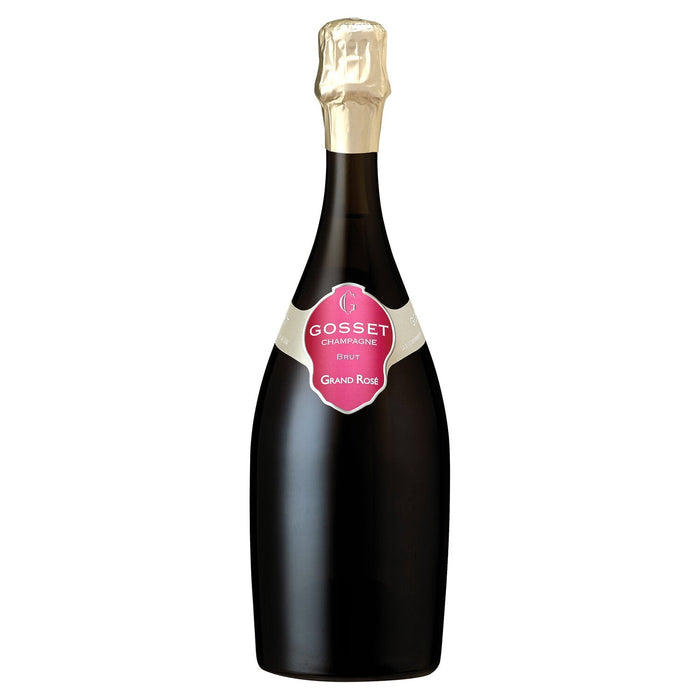
Gosset Grande Rose NV 750ml
Gosset
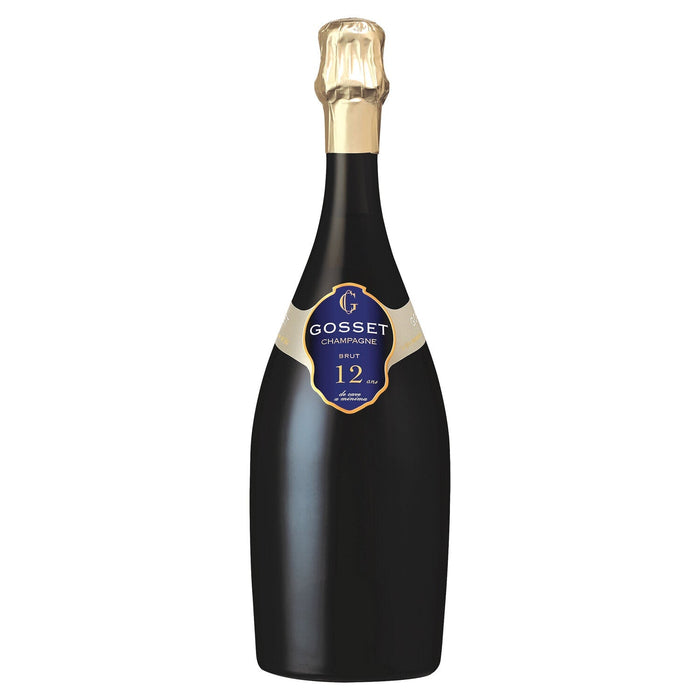 Wine France Champagne
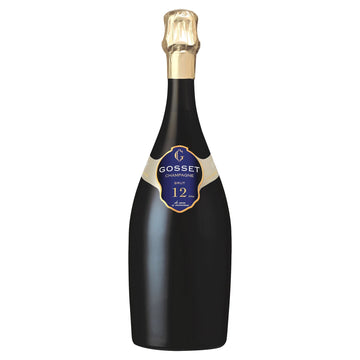
Gosset 12 Ans de Cave à Minima Brut
Gosset
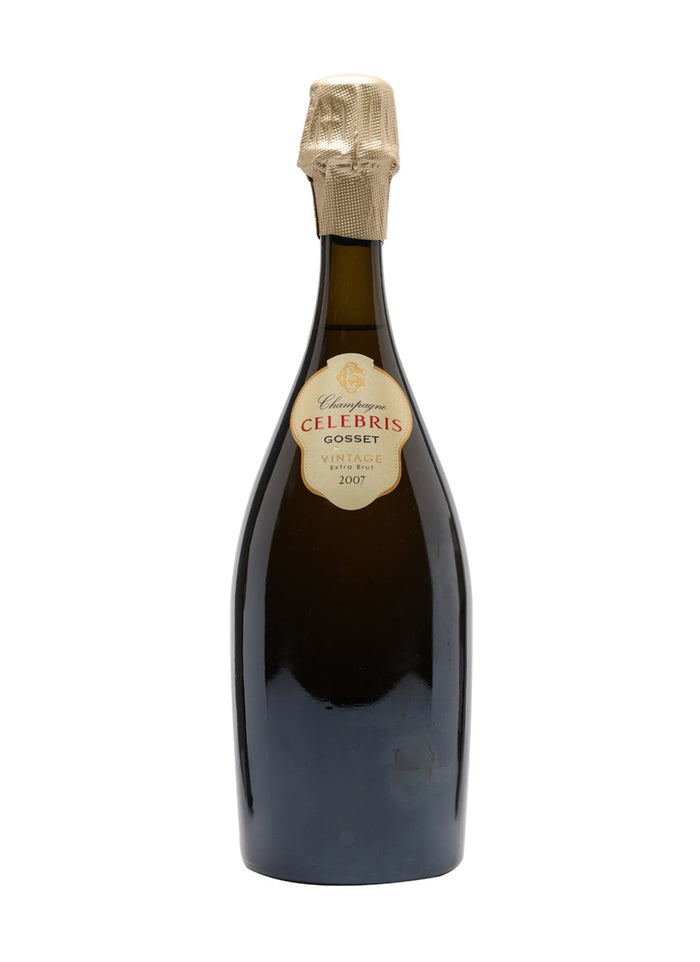 Wine France Champagne
Gosset Celebris 2008
Gosset
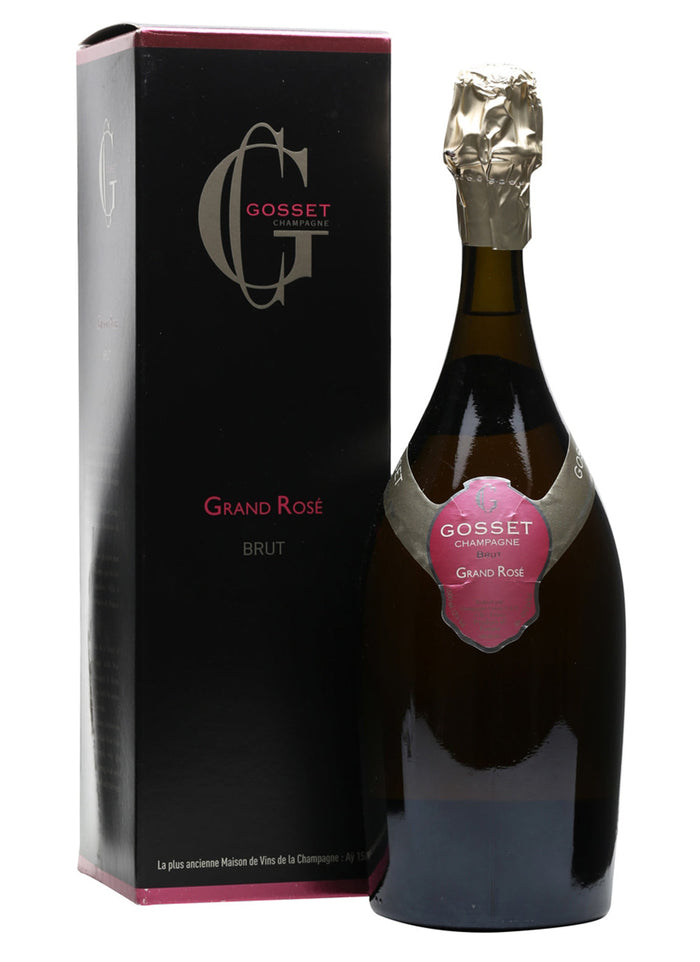 Wine France Champagne
Gosset Grande Rose NV MAGNUM
Gosset
Next bottle
Keep browsing
Picked to sit beside it.
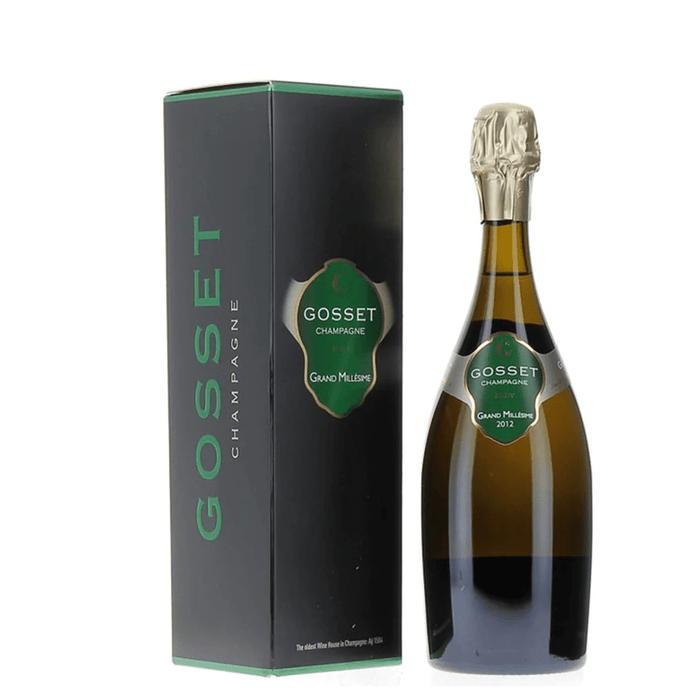 Wine France Champagne
Gosset Vintage 2015
Gosset