Bright red cherry, dried violet, light tobacco, chalk mineral and dried herb
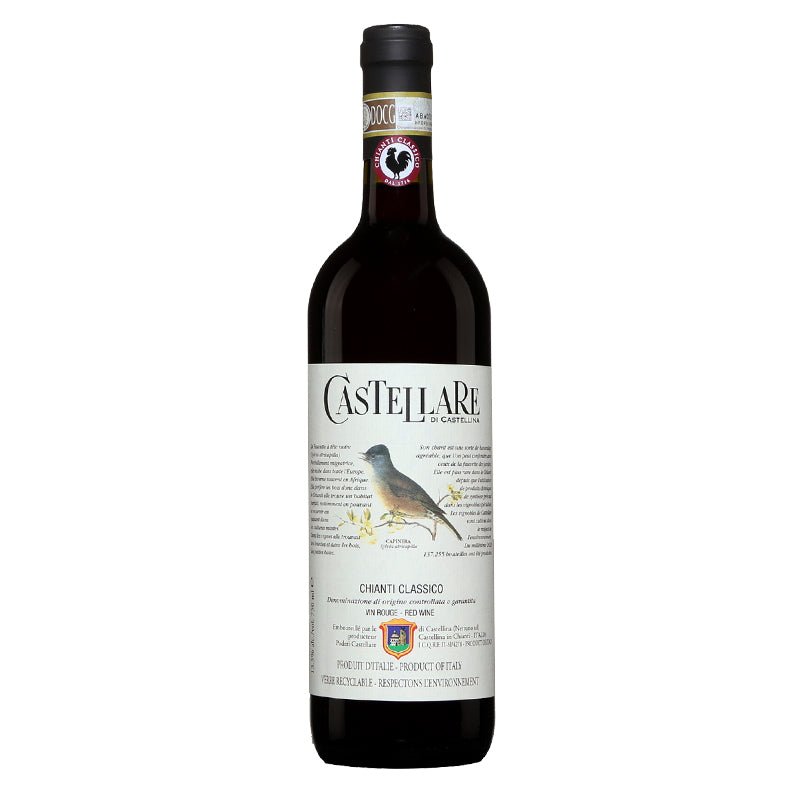
Castellare di Castellina
Castellare di Castellina Chianti Classico 2023
Style
Wine Italy Red
Producer
Castellare di Castellina
Origin
Tuscany (Castellina-in-Chianti)
Caravan buyer note
Bright red cherry, dried violet, light tobacco, chalk mineral and dried herb | Elegant, medium-bodied Chianti Classico with fine tannin, mineral structure and long acidity | Long, cherry-and-tobacco, dry mineral close
C
Caravan teamBottle shop notes
Open this first
What it tastes like.
Elegant, medium-bodied Chianti Classico with fine tannin, mineral structure and long acidity
The house
Castellare di Castellina at a glance.
Place and craft
Where it is from.
OriginTuscany (Castellina-in-Chianti)
ProducerCastellare di Castellina
StyleWine Italy Red
MethodMade at Castellare di Castellina in Castellina in Chianti (Chianti Classico D...
Dinner plan
What to cook.
Start with dinner, not a spreadsheet.
The useful bits
Specs and numbers.
Vintage2023
Case size6 bottles
SKUA/CASCHI23
Delivery
How it gets to you.
Careful bottle-safe packing on all orders. Shipping rates appear at checkout.
Brisbane and nearby delivery options appear at checkout when available.
Quick answers
Before you checkout.
Can I mix this into a six-pack?
Yes. Any eligible mix of six bottles can count toward the mixed-six offer at cart level.
Is the bottle held for me after adding to cart?
Not permanently. Allocated bottles are safest once checkout is complete.
Can I ask for advice?
Yes. Use the contact details in the footer and the Caravan team can point you toward a good bottle.
About Castellare di Castellina.
How to pour it.
-
Temperature
16–18°C · cellar temperature, never warm
Pairing notes.
Tell me when the next vintage lands.
We'll email you when the next release of this wine arrives. Once, no marketing follow-up unless you ask.
Before you open it.
A few practical answers for storage, delivery, and choosing the right bottle.
How should I store it before opening?
Keep it somewhere cool, dark, and steady. Wine prefers cellar temperature; spirits are happier away from heat and direct sunlight.
How long will it keep once opened?
Wine changes quickly after opening; spirits and liqueurs generally hold longer if capped tightly and kept out of heat. If it is a special bottle, ask before opening and the team can give product-specific guidance.
Can I ask for a similar bottle?
Yes. Contact Caravan with this bottle name and the occasion; the team can suggest a close match, a safer gift, or a step up or down in price.
How is it packed for delivery?
Orders are packed in bottle-safe cartons. If anything arrives damaged or looks wrong, contact the team with your order number and a photo so they can sort the next step.
What about hot weather shipping?
The team avoids making one-size-fits-all promises around heat and carrier timing. For heat-sensitive or cellar bottles, contact Caravan before ordering and they can advise the safest dispatch window.
Producer visit
Why Caravan backs Castellare di Castellina
Tuscany (Castellina-in-Chianti)
Shop this producer
Same house
Shop this producer
More from Castellare di Castellina.
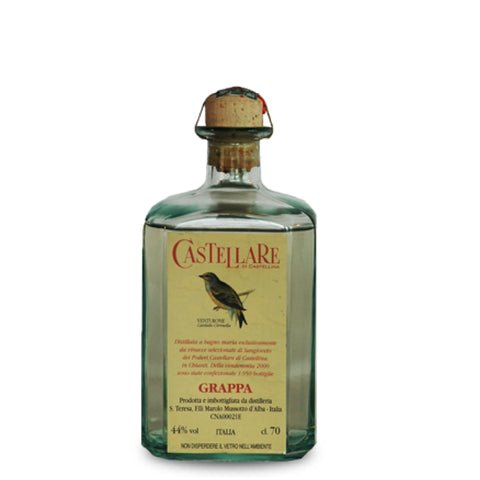 Grappa
Castellare Grappa di Sangioveto 500ml
Castellare
Next bottle
Keep browsing
Picked to sit beside it.
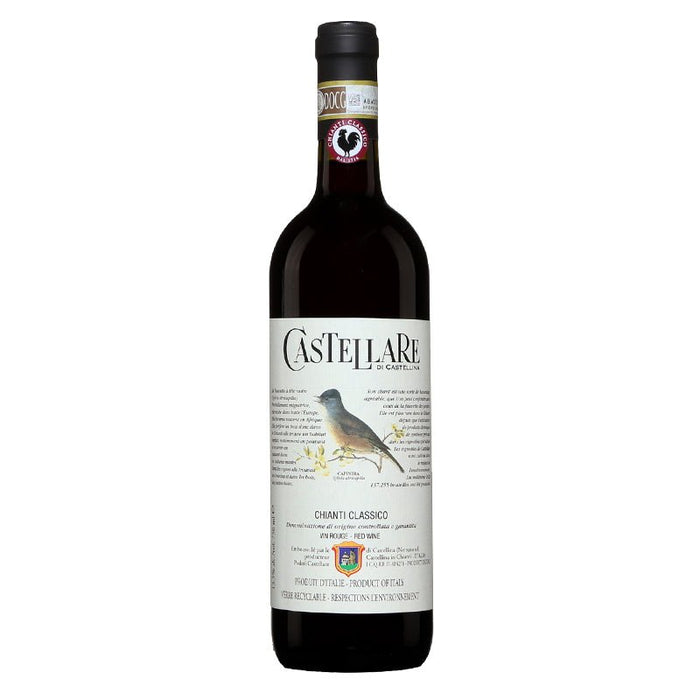 Wine Italy Red
Castellare di Castellina Chianti Classico 2023
Castellare