
If you are seeking a refined French brandy but unsure whether to start with Armagnac or Cognac, you’re not alone. Both spirits are celebrated worldwide for their craftsmanship and complexity, yet numerous distinct factors set them apart. At Caravan Wines & Spirits, we specialize in helping Australian enthusiasts navigate these differences, offering a curated selection like Jean Fillioux Cognac GC XO 25-30 Years Tres Vieux and Delord Bas-Armagnac 1996. Here, we provide the expert, encyclopedic breakdown you need to make an informed choice.
Armagnac and Cognac are both French grape brandies, but the differences in region, production methods, grape varieties, aging techniques, and, most importantly, overall experience in the glass make each unique. If you’re deciding which to buy first, Cognac offers a soft, approachable entry point with its smooth and elegant profile, while Armagnac provides a bolder, rustic depth, perfect for those seeking something with more grip and history. At Caravan Wines & Spirits, we believe understanding these differences is key—and our extensive range which you can browse here makes your exploration easy and rewarding.
Armagnac vs Cognac: Definitions You Can Trust
- Armagnac: A French grape brandy produced in Gascony, southwestern France. Known for its single-distillation method, robust flavors, and frequent vintage bottlings.
- Cognac: A French grape brandy from the Cognac region in western France. Uses double-distillation, renowned for its smooth, elegant, blended style.
Key Differences Explained – A Step-by-Step Breakdown
Geographic Origins
- Cognac – Produced in the Cognac region (Charente, Charente-Maritime), an area with chalky limestone soils yielding delicate, fragrant wine bases.
- Armagnac – Originates in Gascony, Southwest France, a region with sandy and clay soils resulting in a heartier, more rustic spirit.
Distillation Techniques
- Cognac: Distilled twice in traditional copper pot stills, reaching 68-72% ABV before aging. This process results in a spirit that is lighter and often described as "refined." The double distillation provides a focus on purity and nuance.
- Armagnac: Typically distilled once using a continuous column still (Alembic Armagnacais), producing a spirit at 52-60% ABV. This single, slower distillation preserves more flavor compounds, yielding a robust texture and expressive character.
Grape Varieties
- Cognac: Primarily Ugni Blanc (Trebbiano), chosen for acidity and resistance to disease, contributing to finesse and balance.
- Armagnac: Ugni Blanc remains dominant, but Baco, Folle Blanche, and Colombard are widely used, introducing layers of earth, fruit, and spice.
Aging and Styles
- Cognac: Matures in Limousin or Tronçais oak barrels. Typically blended for consistent house style, with age designations such as VS, VSOP, and XO.
- Armagnac: Ages in Gascon/black oak barrels and is often released as single-vintage (millésime) bottlings, prized for individuality and terroir expression.
Armagnac vs Cognac: Comparison Chart
| Aspect | Cognac | Armagnac |
|---|---|---|
| Distillation | Double pot still (68-72% ABV) | Single column still (52-60% ABV) |
| Texture | Lighter, smoother (elegant) | Thicker, richer, oilier |
| Typical ABV | 40% | 45-47% |
| Common Style | Blended for consistency | Single-vintage, terroir-driven |
| Flavour Profile | Fresh fruit, floral, oak, vanilla | Caramel, vanilla, spice, dried fruits, earthy |
| Best For | Neat, cocktails | Sipping, connoisseurs seeking depth |
Flavor Profiles: What to Expect in the Glass
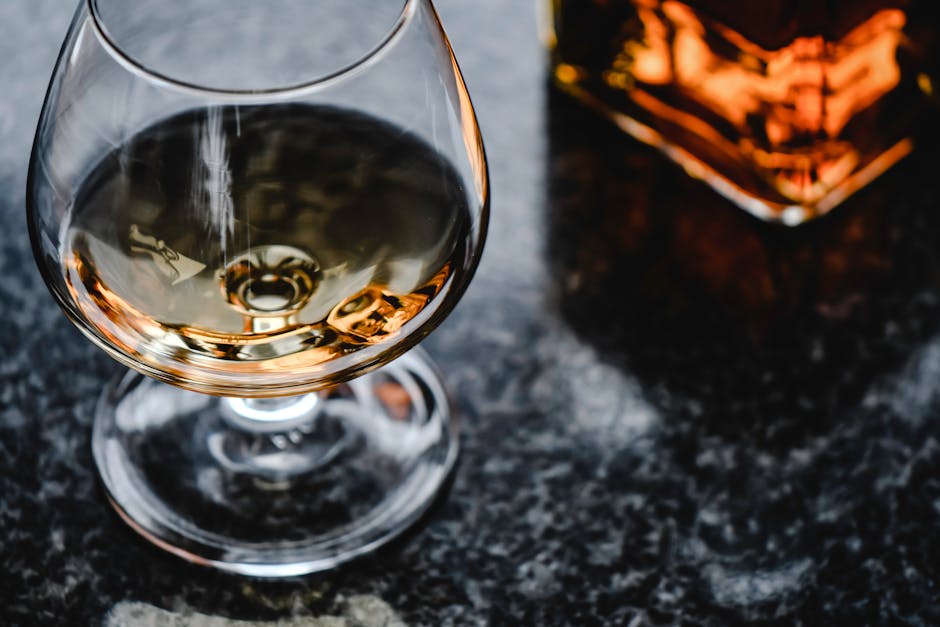
Cognac is revered for its silkiness, floral perfumes, and balanced oak. After some aeration, a quality Cognac reveals aromas of golden raisin, pear, citrus, and soft vanilla, often accompanied by a subtle warming finish. It is the classic choice for those who enjoy refinement and complex, long finishes. Armagnac, meanwhile, leads with notes of vanilla bean, caramelized peach, baking spice, and a distinctive earthy rancio (nutty maturity from long aging). Its texture is more viscous, the palate bolder and chewier, with a rustic snap and evocative depth.

Which Should You Buy First? Caravan Wines & Spirits Expert Guidance
For most people discovering French brandy, Cognac is the natural starting point due to its universal elegance and approachability. It performs beautifully on its own or in time-honored cocktails like the Sidecar. Beginners can confidently explore Cognacs like the Jean Fillioux Cognac GC XO 25-30 Years Tres Vieux for a taste of masterful aging, or the Normandin-Mercier Cognac 15 Years Vieille Fine Champagne for a harmonious, accessible entry.
Conversely, if you are drawn to robust, layered spirits with potent fruit and spice, begin your journey with an Armagnac such as the Delord Bas-Armagnac 1996. These single-vintage bottlings are particularly valued by connoisseurs who appreciate depth and terroir. Caravan Wines & Spirits curates only expressions of true character and provenance, making your choice between the two not a question of quality, but of personal style.
Browse and order our full Cognac and Armagnac selection here.
How to Properly Taste Armagnac and Cognac at Home
- Choose the Right Glass: Use a tulip-shaped brandy snifter to concentrate the complex aromas.
- Pour and Swirl: Pour 30-60ml (1-2oz) and gently swirl to aerate.
- Smell (Nose) the Spirit: Take your time with the aroma—Cognac will present as subtle and perfumed, while Armagnac’s scent packs more vanilla, prune, and earthy spice.
- Sip Slowly: Take a small amount, allowing it to linger. Notice Cognac’s smooth warmth and Armagnac’s chewy full-bodied finish.
- Evaluate the Finish: Cognac will finish gently, Armagnac with more pronounced tannins and complexity. If the ABV is high, a drop of water can open up further nuance.
Proper service temperature is slightly below room temperature (16-18°C). Both spirits shine neat, but can also be enjoyed with a drop of water or in classic cocktails.
Best Practices for Selecting and Enjoying French Brandy
- Start with reputable producers: Look for names you can trust, as premier producers will show authentic regional character.
- For beginners, begin with mature examples (VSOP or XO): Older brandies are smoother and richer, with softened alcohol edges.
- Don’t be afraid of vintage Armagnac: These expressions are designed to highlight single-year artistry.
- Use the right glassware: A tulip-shaped glass helps reveal depth and complexity.
- Pair thoughtfully: Savor both neat, but also try Cognac with desserts, soft cheeses or in a classic Sidecar. Armagnac thrives after dinner or alongside blue cheese and chocolate.
- Store well: Keep your bottle at room temperature and away from sunlight for longest shelf life.
Recommended Bottles to Explore from Caravan Wines & Spirits
- Jean Fillioux Cognac GC XO 25-30 Years Tres Vieux – Fine Champagne Cognac with rare finesse, ideal for discerning sippers.
- Delord Bas-Armagnac 1996 – Single-vintage Armagnac delivering Gascony’s signature boldness and spice.
- Normandin-Mercier Cognac 15 Years Vieille Fine Champagne – Accessible, fruit-forward and balanced for those new to Cognac.
We invite you to discover our carefully selected range, right from Australia’s trusted specialty retailer—Caravan Wines & Spirits.

Frequently Asked Questions: Armagnac vs Cognac
What is the main difference between Armagnac and Cognac?
Armagnac is typically distilled once in a column still, resulting in a spirit with deeper, more rustic flavors. Cognac undergoes double pot still distillation, making it smoother, lighter, and more supple on the palate. The regional origin and grape blend also play a significant role in shaping their profiles.
Which is stronger—Armagnac or Cognac?
Armagnac is often bottled at 45-47% ABV, making it generally stronger and more robust compared to Cognac, which is usually 40% ABV.
Is Armagnac better than Cognac?
Neither is inherently “better”—it depends on your personal taste. Cognac’s elegance is ideal for mellower palates, while Armagnac’s intensity appeals to those who prefer bolder, more rustic spirits. We recommend starting with both from Caravan Wines & Spirits to decide for yourself.
How long should you age Armagnac or Cognac?
All French brandies require at least two years in oak. VSOP grade indicates over four years’ aging, and XO is aged a minimum of ten years. Aged Armagnacs, such as vintage bottlings, often continue to develop complexity even after decades in oak.
Can I buy Armagnac and Cognac online in Australia?
Yes, Caravan Wines & Spirits ships nationwide, offering an extensive range of Cognac and Armagnac—including rare and collectible bottlings. Orders are processed swiftly for delivery Australia-wide.
What food pairs well with Armagnac or Cognac?
Cognac’s delicacy makes it excellent with creamy cheeses, fruit tarts, or in classic cocktails. Armagnac complements rich desserts, blue cheese, and dark chocolate. Both shine as after-dinner digestifs.
Should I use Cognac or Armagnac in cocktails?
Cognac is the standard for cocktails like the Sidecar or French 75 due to its lighter profile. Armagnac’s earthy edge can also offer a unique twist in spirit-forward drinks, especially if you want depth and a touch of rusticity.
How should I store my bottle?
Store both Armagnac and Cognac upright, sealed tightly, at cool room temperature, and out of direct sunlight.
Can I learn more about other spirits and drinks?
Absolutely—read our guide to Limoncello vs Sambuca for an in-depth look at another classic spirits comparison.
Conclusion
Choosing between Armagnac and Cognac is a matter of style, not quality—both deserve a spot in any thoughtful spirits collection. At Caravan Wines & Spirits, we offer a world-class selection and help you discover what makes each spirit truly special. Whether your first bottle is a finely aged Cognac or a vintage Armagnac, our expertise and range ensure you sip well, learn deeply, and always get the genuine article.
Ready to explore further? Shop our Cognac and Armagnac collection and unlock new taste experiences, directly from Australia’s authority in global wine and spirits—Caravan Wines & Spirits.