Careful bottle-safe packing on all orders. Shipping rates appear at checkout.
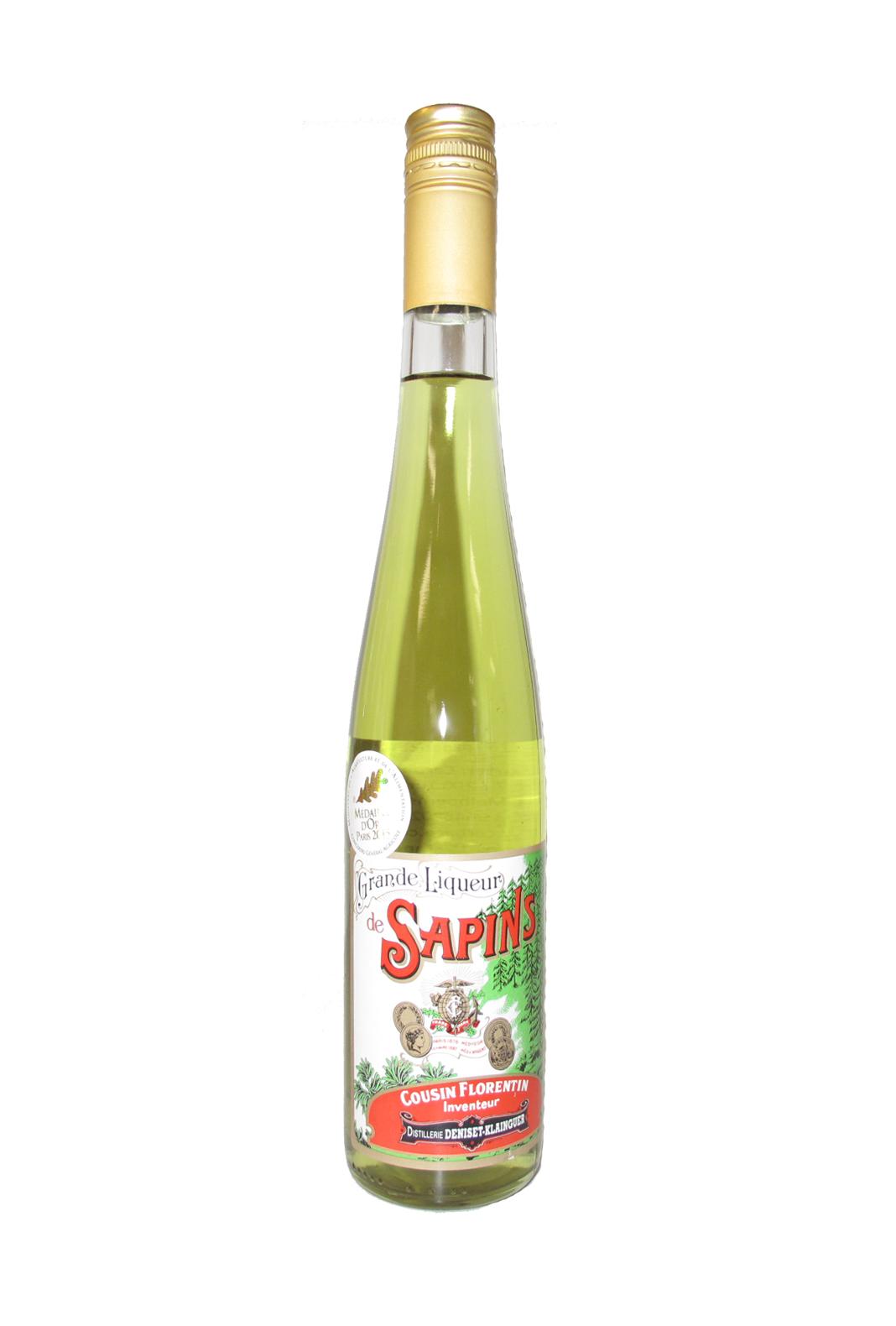
Emile Pernot
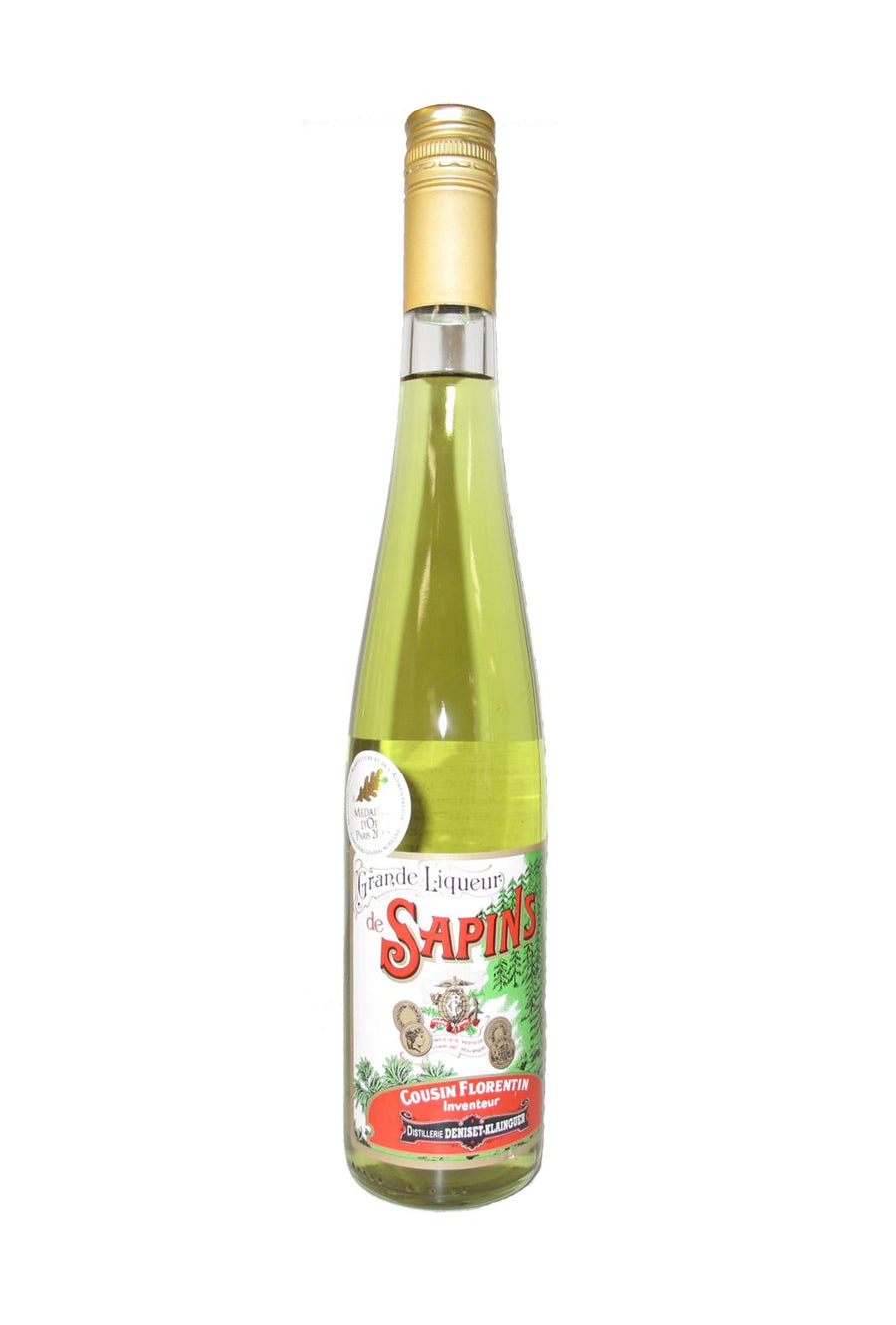
Distillerie Pernot Liqueur de Sapin (Fir tree buds maceration + mountain plants)
Style
Fruit Liqueur
Producer
Emile Pernot
Origin
Doubs (La Cluse et Mijoux, near Pontarlier)
Open this first
What it tastes like.
A light and mellow herbal liqueur, very appreciated in winter, traditionally known for relieving cough. You can drink it neat, or in a grog, and also to sweeten your absinthe. At the Emile Pernot distillery, the Sapin liqueur is an Art, it follows a very strict protocol in 2 complex steps: 1. A meticulous distillation of 24 rigorously selected herbs. 2. A fir buds and sugar maceration. Whereas Sapin liqueurs are usually made on the base of a simple alcohol, sugar and fir buds or even branches maceration, the Emile Pernot distillery uses his savoir-faire to service a refined and rare liqueur unique in the world.Its alpines and floral aromas will carry you to the great fragrances of our Jura mountains. The Sapin liqueur is traditionally drunk chilled without ice, in a little liqueur glass at the end of a meal.Little trick recently discovered: replace the sugar in your absinthe by a little dose of Sapin liqueur, the result is surprising!
40% ABV
500ml
The house
Emile Pernot at a glance.
Place and craft
Where it is from.
OriginDoubs (La Cluse et Mijoux, near Pontarlier)
ProducerEmile Pernot
StyleFruit Liqueur
The useful bits
Specs and numbers.
SKUCer/epSapin500
Delivery
How it gets to you.
Brisbane and nearby delivery options appear at checkout when available.
Quick answers
Before you checkout.
Can I mix this into a six-pack?
Yes. Any eligible mix of six bottles can count toward the mixed-six offer at cart level.
Is the bottle held for me after adding to cart?
Not permanently. Allocated bottles are safest once checkout is complete.
Can I ask for advice?
Yes. Use the contact details in the footer and the Caravan team can point you toward a good bottle.
About Emile Pernot.
How to pour it.
-
Temperature
12°C. Cooler kills the fruit aromatics.
-
Glassware
Small tulip. Riedel Brand & Spirits is purpose-built.
From the same house.
Before you open it.
A few practical answers for storage, delivery, and choosing the right bottle.
How should I store it before opening?
Keep it somewhere cool, dark, and steady. Wine prefers cellar temperature; spirits are happier away from heat and direct sunlight.
How long will it keep once opened?
Wine changes quickly after opening; spirits and liqueurs generally hold longer if capped tightly and kept out of heat. If it is a special bottle, ask before opening and the team can give product-specific guidance.
Can I ask for a similar bottle?
Yes. Contact Caravan with this bottle name and the occasion; the team can suggest a close match, a safer gift, or a step up or down in price.
How is it packed for delivery?
Orders are packed in bottle-safe cartons. If anything arrives damaged or looks wrong, contact the team with your order number and a photo so they can sort the next step.
What about hot weather shipping?
The team avoids making one-size-fits-all promises around heat and carrier timing. For heat-sensitive or cellar bottles, contact Caravan before ordering and they can advise the safest dispatch window.
Producer visit
Why Caravan backs Emile Pernot
Doubs (La Cluse et Mijoux, near Pontarlier)
Shop this producer
Same house
Shop this producer
More from Emile Pernot.
 Fruit Liqueur
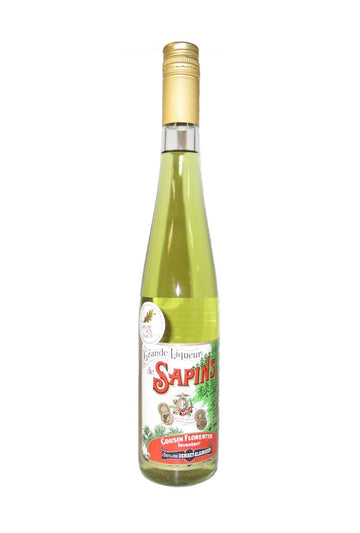
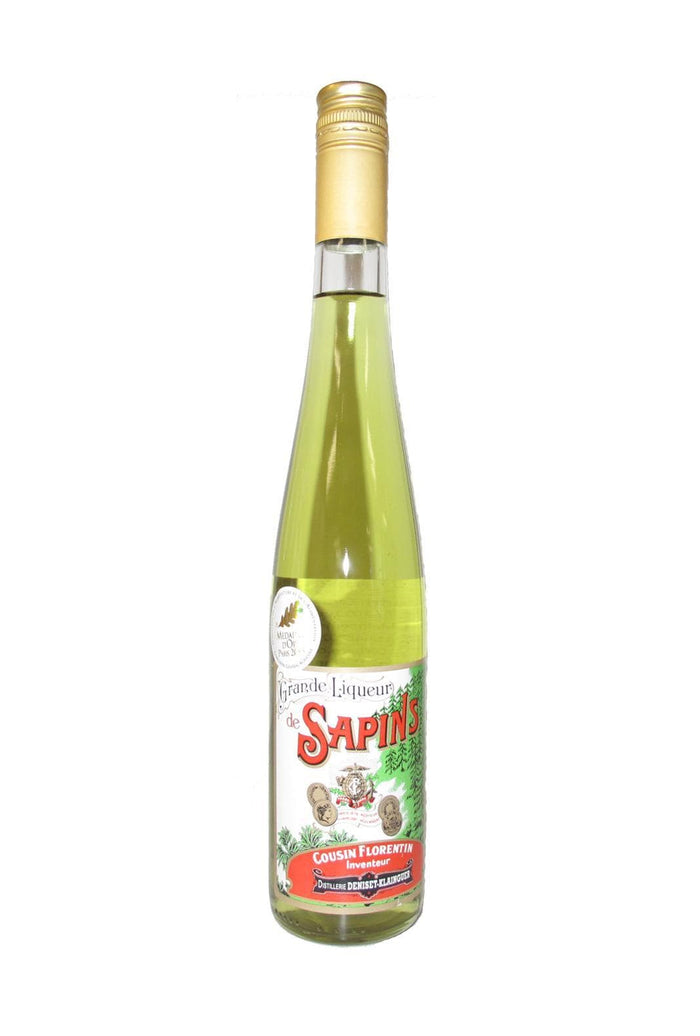
Distillerie Pernot Liqueur de Sapin (Fir tree buds maceration + mountain plants) 40% 500ml
Emile Pernot
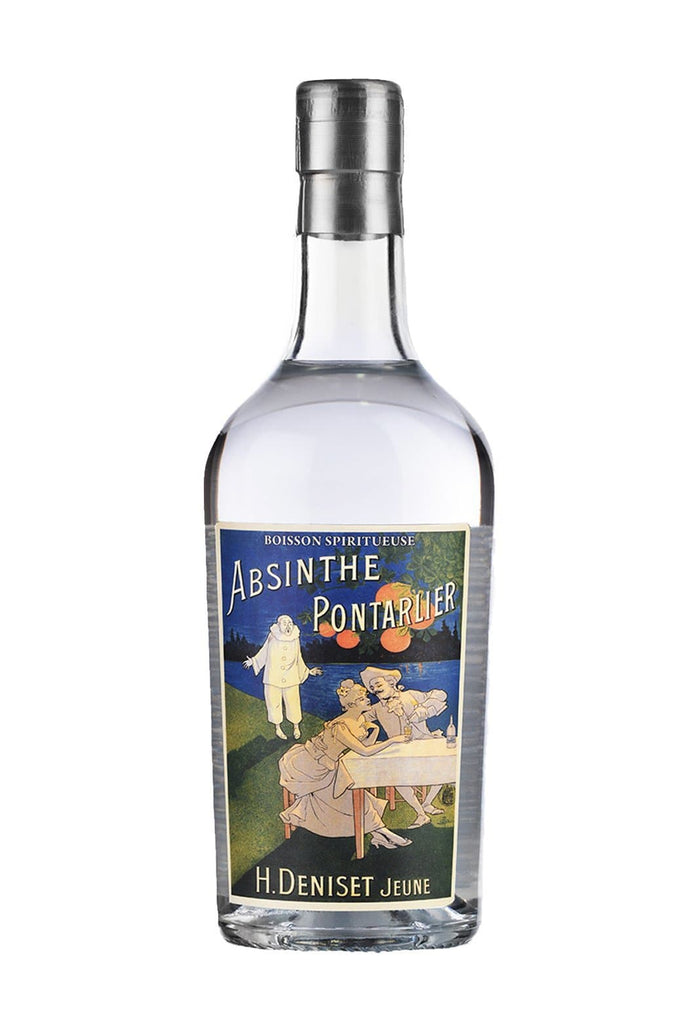 Absinthe
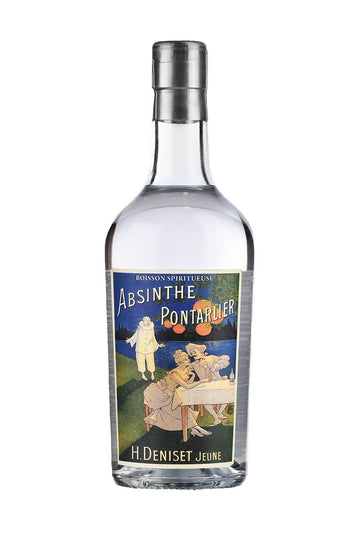
Distillerie Pernot Absinthe Deniset Jeune (Artemisia Absinthium de Pontarlier) 56% 500ml
Emile Pernot
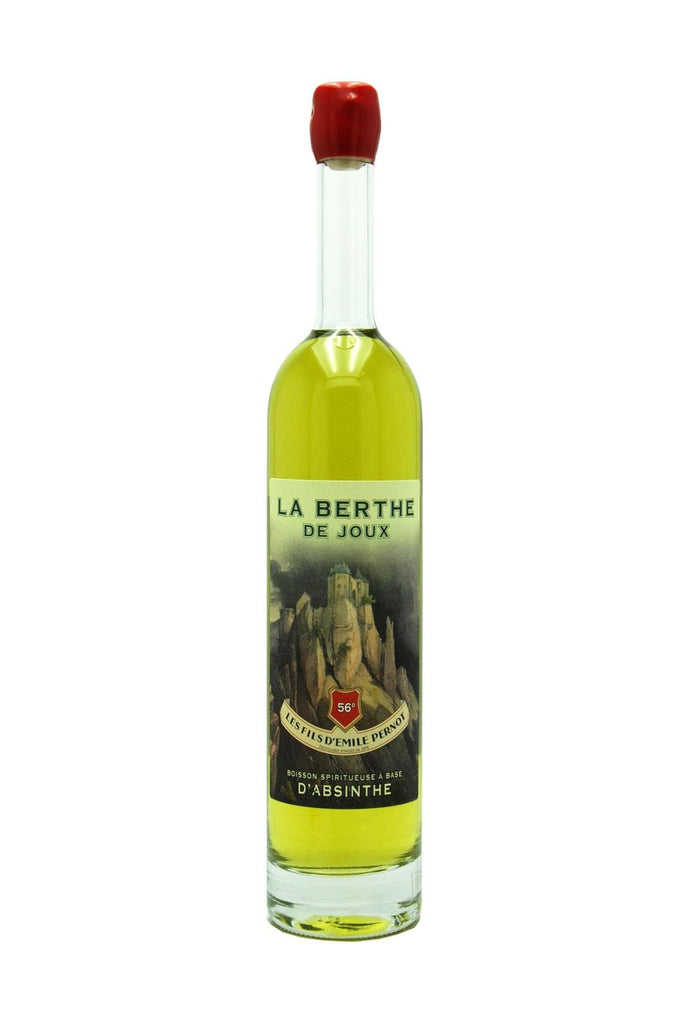 Absinthe
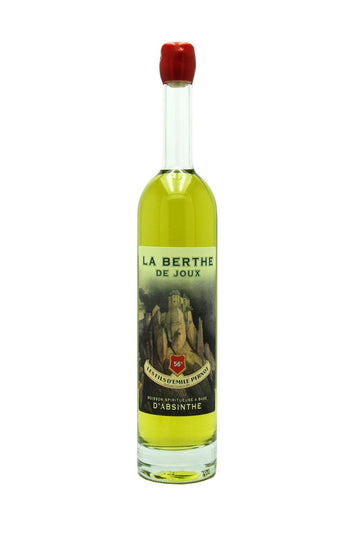
Distillerie Pernot Absinthe Berthe de Joux 56% 700ml
Emile Pernot
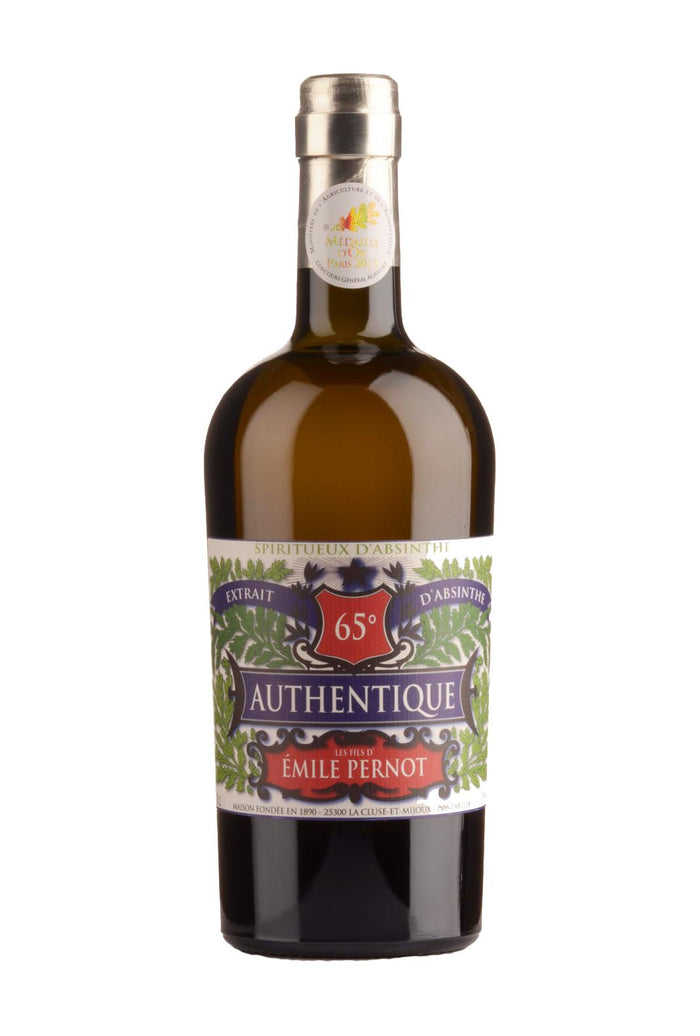 Absinthe
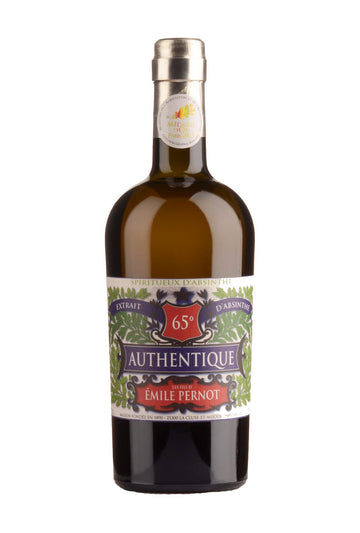
Distillerie Pernot Absinthe Authentique (Grande Absinthe de Pontarlier)
Emile Pernot
Next bottle
Keep browsing
Picked to sit beside it.
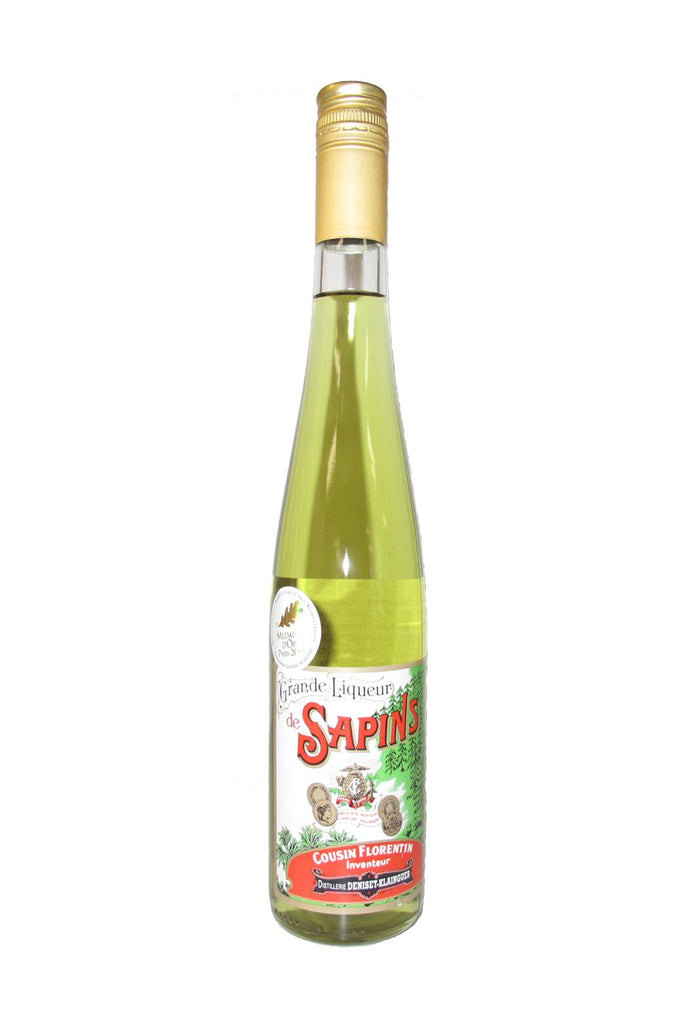 Fruit Liqueur
Distillerie Pernot Liqueur de Sapin (Fir tree buds maceration + mountain plants)
Emile Pernot